

How to Fix Cracked Tiles
A hairline crack you can often fill with epoxy and leave the tile in place. A bigger break usually means lifting the tile and setting a new one. Here is how to do both, plus how to spot why the tile cracked so it doesn't happen again.
One cracked tile has a way of catching your eye every single time you walk past. The good news? Fixing it is often a weekend job, not a full renovation. But should you fill the crack or replace the whole tile, and what made it crack in the first place?
This guide covers both repairs. A quick epoxy fill handles a fine cosmetic crack. A full swap replaces a shattered or loose tile. We'll also look at what causes cracks, because a tile rarely breaks for no reason, and fixing the cause is what stops the next one.
Key takeaways
- Hairline cracks fill; big cracks replace. Epoxy is a cosmetic fix for fine cracks only, not a long-term repair for major breaks (Angi, 2025).
- Find the cause first. Most tiles crack from substrate movement, a hollow spot under the tile, or a heavy impact.
- Match before you remove. Sourcing a tile that matches the colour, size and batch is the trickiest part of a replacement.
- Protect yourself. Breaking out a tile throws sharp shards, so wear safety glasses and gloves.
If several tiles sound hollow or keep cracking, the base may be the real problem. Our guide to tiling over tiles explains how a sound, firmly fixed substrate should behave.


Why do tiles crack?
Usually the base, not the tile. Cracked tiles are most often the result of incorrect installation, substrate cracks, movement, too much weight, or a heavy impact (Tiles Direct, 2025). A tile is only as sound as what it's stuck to.
Tap around the cracked tile with a coin. A hollow sound means there's a void under it, so the tile flexes and eventually splits. A solid ring points to a one-off cause, like something heavy dropped on it. Temperature swings and a weak, uneven base can crack tiles too.
Why does this matter before you repair? Because if movement or a void caused the crack, a new tile in the same spot will crack again. Fixing the cause comes first, then the tile. That is the step most quick fixes skip.
Should you repair or replace a cracked tile?
It comes down to the size of the crack and whether the tile is still firmly stuck down. Here's how to call it.
Repair the crack
Best for fine, cosmetic hairline cracks in a tile that's still solid.
- Fill with epoxy, no tile removal needed
- Fast, low-cost and low-mess
- Colour-match with paint or glaze
- A cosmetic fix, not a permanent one
Replace the tile
Best for wide, deep or multiple cracks, or a loose or hollow tile.
- Removes the damage completely
- Lets you fix the base underneath
- The right call in wet areas and high-traffic floors
- Needs a matching spare tile
How to fix a hairline crack without removing the tile
For a fine crack, epoxy is your friend. Hairline cracks are the easiest to fix, and you can often repair them without lifting the tile at all (Angi, 2025). It's a cosmetic repair, so it suits small cracks and chips rather than major breaks.
Start by sweeping the area and wiping the tile clean. Mix a clear epoxy filler to the maker's instructions and work a thin coat into the crack. Let it cure fully, which can take several hours, then sand it back gently until it's flush with the tile.
Make it disappear. Once the epoxy is flush, paint over it to match the tile, then seal with a clear coat or a matching glaze. Take your time on the colour match. It's the difference between an invisible repair and an obvious patch.
Tools you'll need to replace a cracked tile
Replacing a tile needs a few more tools than a quick fill. Here's the kit for lifting the old tile and setting a new one cleanly.

Grout saw or utility knife
Cut the grout seal along all four edges of the broken tile first.

Hammer & cold chisel
Break up the old tile, then chisel out the pieces. Wear glasses.
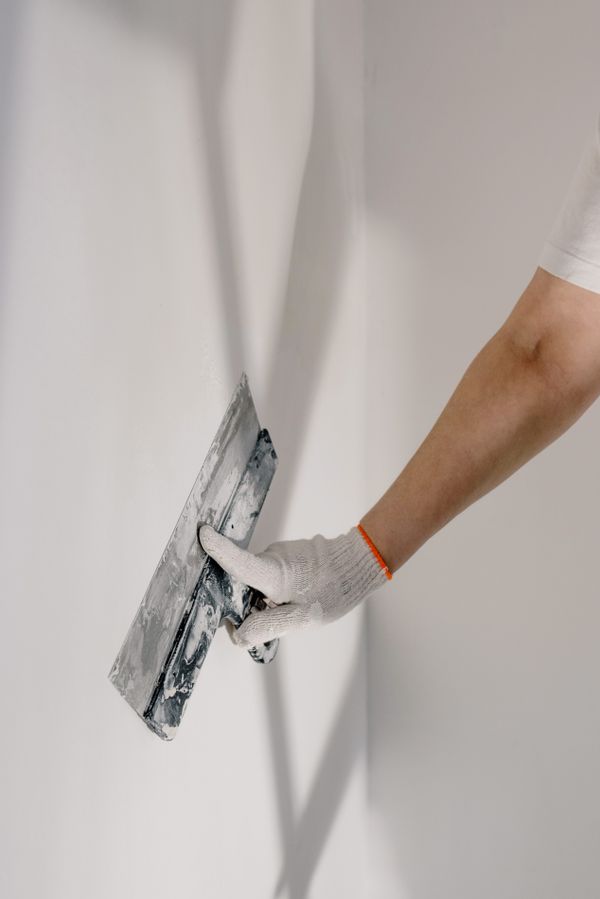
Notched trowel & adhesive
Comb adhesive onto the base and butter the back of the new tile.
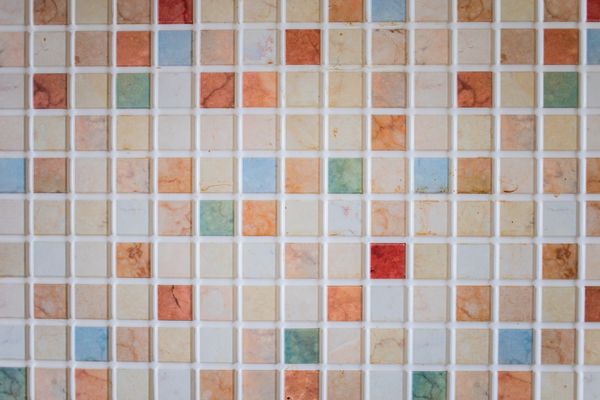
Matching replacement tile
Match the colour, size and batch. A saved spare is ideal.
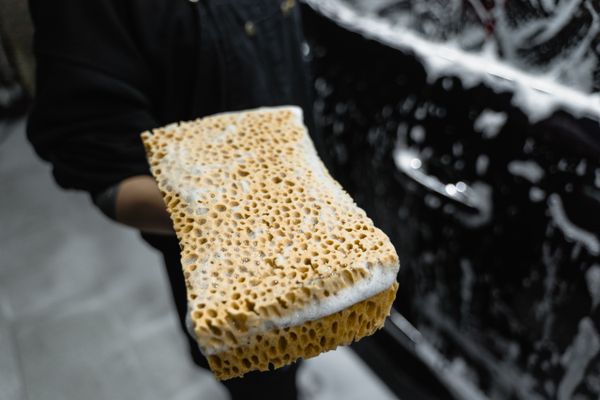
Grout float & sponge
Push fresh grout into the joints, then wipe the surface clean.
Safety glasses & gloves
Breaking tile throws sharp shards. Protect your eyes and hands.
How to replace a cracked tile step by step
With the base sound and a matching tile in hand, here's the full process for swapping a broken tile for a new one.
Cut the grout
Run a grout saw or utility knife along all four grout lines to break the seal around the tile.
Break out the old tile
Crack the tile with a hammer, then lift the pieces with a cold chisel. Wear safety glasses throughout.
Clean the bed
Scrape off the old adhesive, vacuum the debris, and check the base is sound, flat and dry.
Apply adhesive
Comb tile adhesive onto the base with a notched trowel, and butter the back of the new tile too.
Set the new tile
Press it in with a slight twist so it sits level and flush, matching the height of the tiles around it.
Grout and cure
Once set, grout with a rubber float, wipe with a damp sponge, then let it cure 24 to 48 hours before use.
What if your tiles keep cracking?
If new tiles keep cracking in the same area, the tile was never the problem. Repeated cracks point to movement in the substrate, a subfloor that flexes too much, or hollow spots where the tile isn't fully bonded. Patching the surface won't stop it.
This is the point to bring in a tiler. A professional can check the floor for deflection, assess the bedding, and in a wet area confirm the waterproofing is intact before re-tiling. Fixing the base once costs far less than replacing the same cracked tile again and again.
Wet areas need extra care. A cracked tile in a shower or on a bathroom floor can let water reach the membrane and the structure below. If the crack is in a wet area, have the waterproofing checked as part of the repair, not after.
Tile-repair mistakes to avoid
A few common slips turn a simple repair into a bigger job. Keep to the left column and the fix lasts.
Do
- Find and fix the cause before you repair
- Tap-test nearby tiles for hollow spots
- Match the replacement tile before removing anything
- Wear safety glasses and gloves when breaking tile
- Let adhesive and grout cure fully before use
- Check waterproofing on any wet-area crack
Avoid
- Filling a structural crack and hoping it holds
- Ignoring hollow or drummy tiles next door
- Chiselling toward yourself or without eye protection
- Setting a new tile on a flexing or dirty base
- Walking on the repair before it cures
- Guessing a tile match on a wet-area or high-traffic floor
Cracks spreading, or can't match the tile?
When cracks keep coming back or the original tile is long gone, a patch won't cut it. The WA Kajaria Ceramics team can trace the cause, match or supply tiles, and handle professional repair or a fresh tiled floor across Perth and Western Australia.
Fixing cracked tiles: common questions
Can you repair a cracked tile without replacing it?
Yes, for fine hairline cracks. Clean the tile, work a clear epoxy filler into the crack, let it cure, sand it flush, then paint and seal to match. This is a cosmetic fix, so wide, deep or multiple cracks still need the tile replaced (Angi, 2025).
Why do my floor tiles keep cracking?
Repeated cracks usually mean movement or voids below, not weak tiles. A flexing subfloor, substrate cracks or hollow spots where the tile isn't bonded all cause it. Tap-test for hollow tiles, and have a tiler check the base before you replace more tiles.
How do you replace a single cracked floor tile?
Cut the grout around it, break the tile with a hammer and lift the pieces with a chisel, then scrape the base clean. Comb on adhesive, butter the new tile, press it level, then regrout. Let it cure 24 to 48 hours before walking on it.
What kind of glue or filler fixes a cracked tile?
For surface cracks, a two-part epoxy filler works best because it bonds hard and sands smooth. For a full replacement, use a proper tile adhesive rated for the location. Avoid general household glues, which won't hold up to moisture or foot traffic.
Is a cracked tile a problem in a shower or bathroom?
It can be. A crack in a wet area can let water reach the waterproofing membrane and the structure below, which risks bigger damage over time. Have wet-area cracks repaired promptly, and get the waterproofing checked as part of the job rather than afterward.
References
- Angi. How to Fix a Cracked Tile Yourself. Retrieved 2026-07-21, angi.com
- Tiles Direct. My Tiles Are Cracking: Causes & How to Repair Cracked Tiles. Retrieved 2026-07-21, tiles-direct.com
- This Old House. How To Replace a Cracked Floor Tile. Retrieved 2026-07-21, thisoldhouse.com

